Market & order mix
Importers
- Model mix, quantities and MOQ conditions
- Destination country and required material/test scope
- Carton data, packing and shipping responsibilities
WORKSPACES · B2B PROCUREMENT
Plan the furniture mix, specifications and delivery around your workspace and buying priorities.
Start with how the space is used, then define the furniture mix and practical constraints.
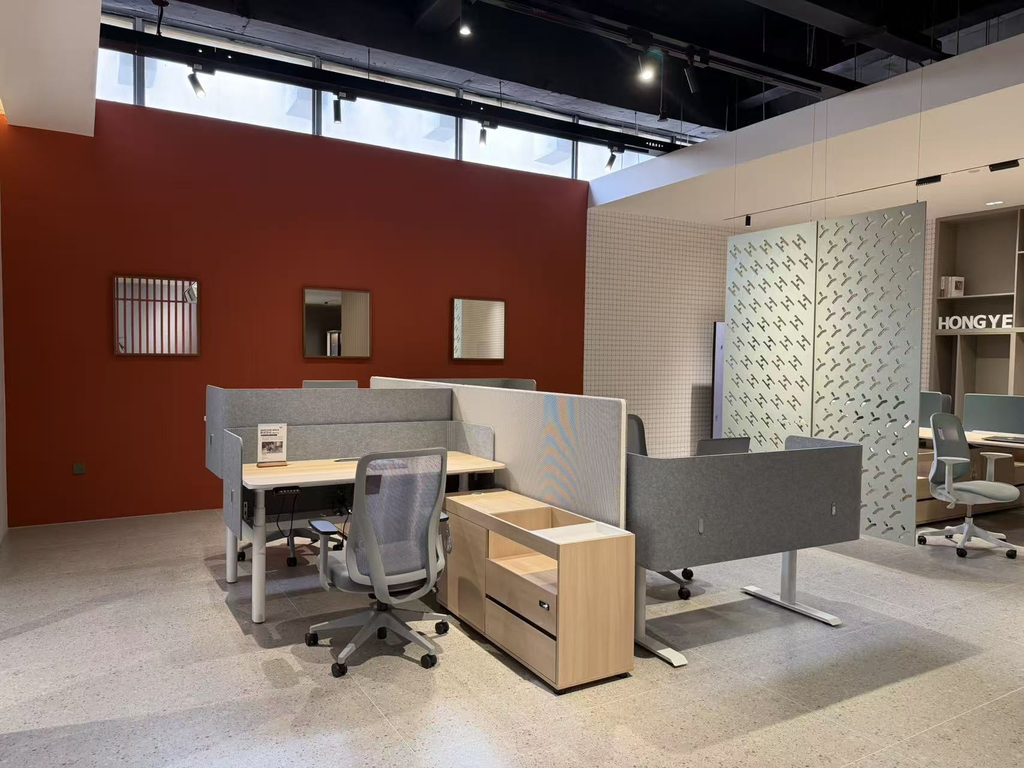
Headcount, shared desks, task seating and storage—coordinated with circulation, cable access and repeatable dimensions.
Review Configuration
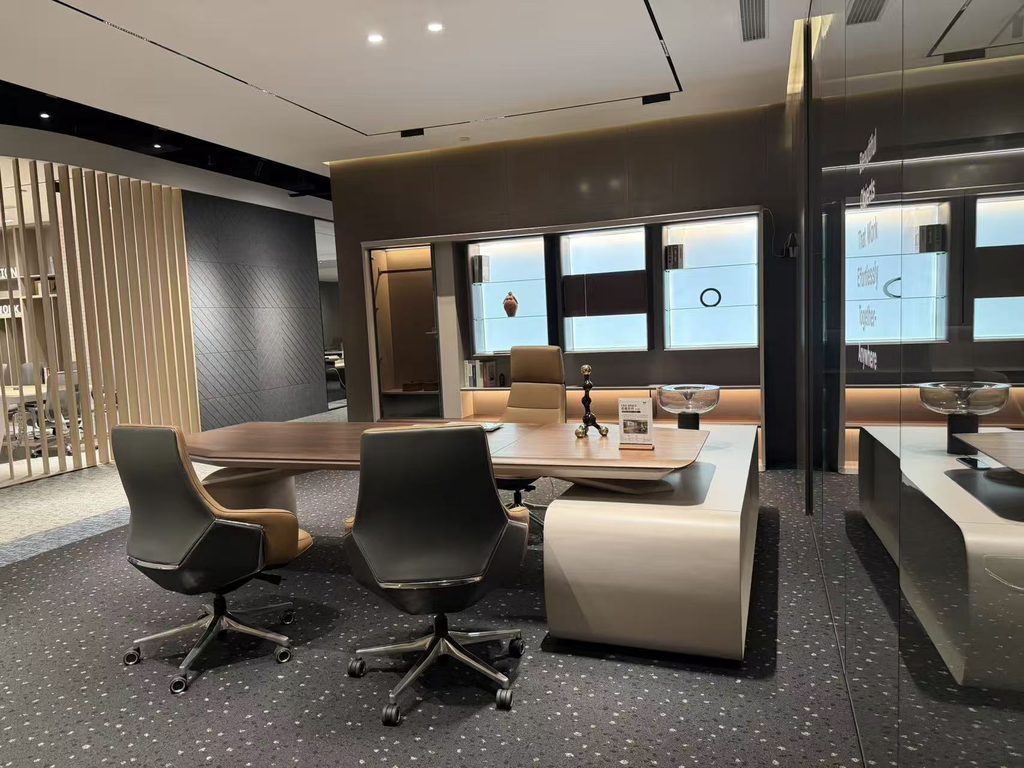
A desk, visitor seating and storage aligned with room dimensions, privacy and a consistent finish palette.
Review Configuration
Table layout and seating capacity balanced with power access and clearance around the furniture.
Review Configuration
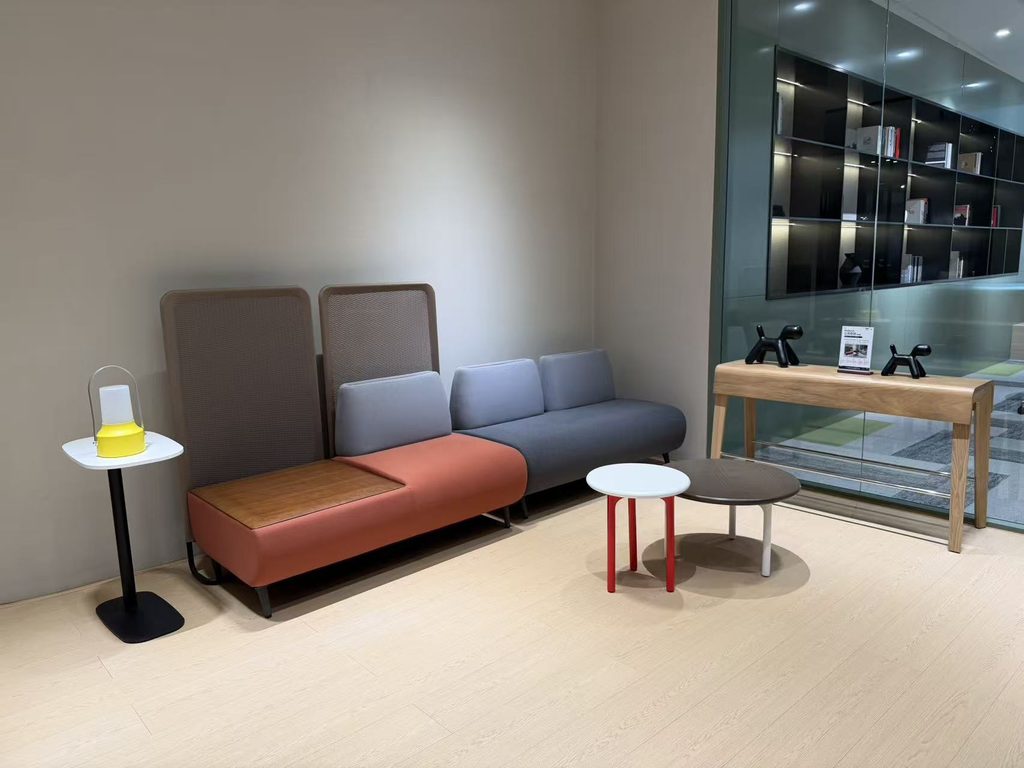
Waiting and informal meeting areas planned around seating groups, visitor flow and durable finishes.
Review Configuration
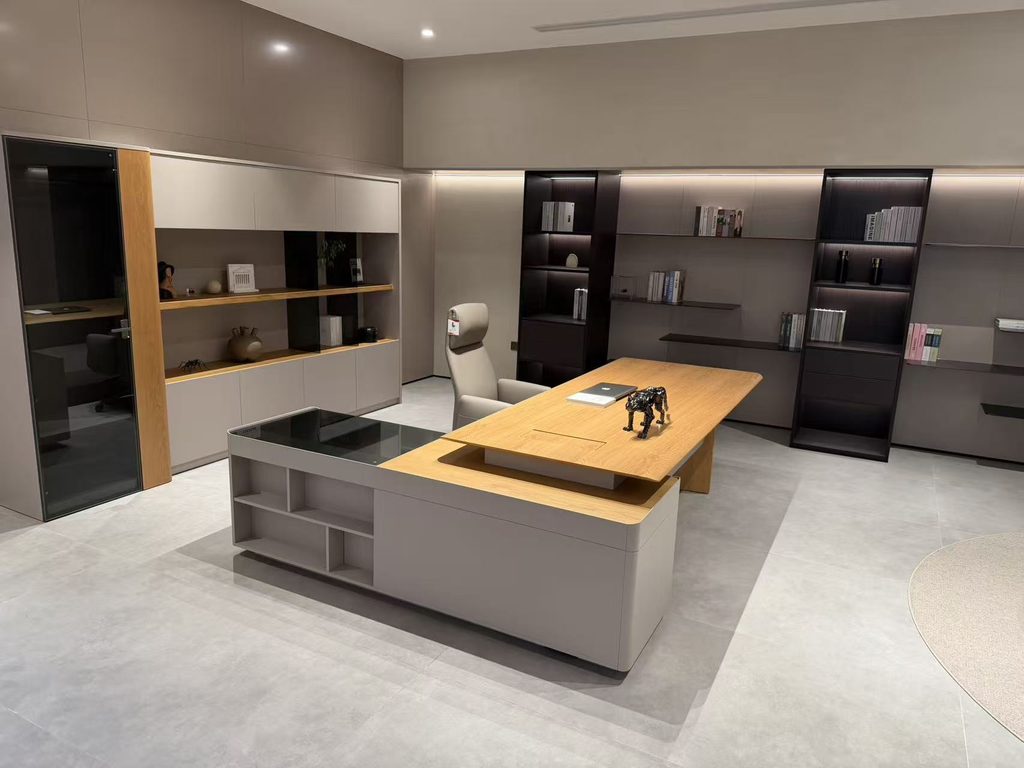
Storage volume, locks and access considered alongside anchoring and installation conditions.
Review Configuration
Assign desks, seating and storage to each workspace.
Record dimensions, units, capacity and circulation.
Coordinate surfaces, upholstery, hardware and samples.
Confirm cable access, adjustments, locks and accessibility needs.
Check access, assembly resources and delivery phases.
Record furniture references, quantities and units, finish choices, alternatives and open questions in a furniture schedule. Identify who approves specifications and who handles installation.
Review the Project SequenceMarket & order mix
Range & replenishment
Space & project phases
Brand & approval
Furniture schedule, quantities, destination and project phases.
Furniture combinations, alternatives and finish direction.
Dimensions, materials, sample versions and approval owners.
Packing, phased delivery and installation responsibilities.
Approve the furniture schedule, quantity units, specifications and sample references. Record project phases, receiving conditions and the parties responsible for unloading, installation, damage and missing parts. Commercial terms and timing require order-specific confirmation.
Confirm grades and construction.
Record changes and measurement units.
Reference colors, textures and samples.
Define labels, packaging and brand rights.
Agree development scope and costs.
Sign off the sample and document version.
Feasibility, MOQ, sample charges and timing depend on the selected product, changes and order.
Match documents and testing scope to the model and destination market.
Confirm assembly format, carton count, hardware packs and labels.
Use measured carton dimensions, units and net/gross weights per sales unit.
Align shipping terms, phases, access, unloading and installation.
Confirm assembly documents, warranty scope and damage/missing-part procedures.
Product, packing and test details require model-specific confirmation. CBM alone does not determine freight or container capacity.
Choose a purchasing path to open its preparation checklist.
These checklists prepare a sourcing discussion; they do not submit or save information. Online quotation and project submissions are not yet available.