OFFICE FURNITURE · B2B PROCUREMENT
Plan your range, workspace and custom configurations — from product selection to packing requirements.
Start with the furniture type, then confirm models, options and supply conditions.
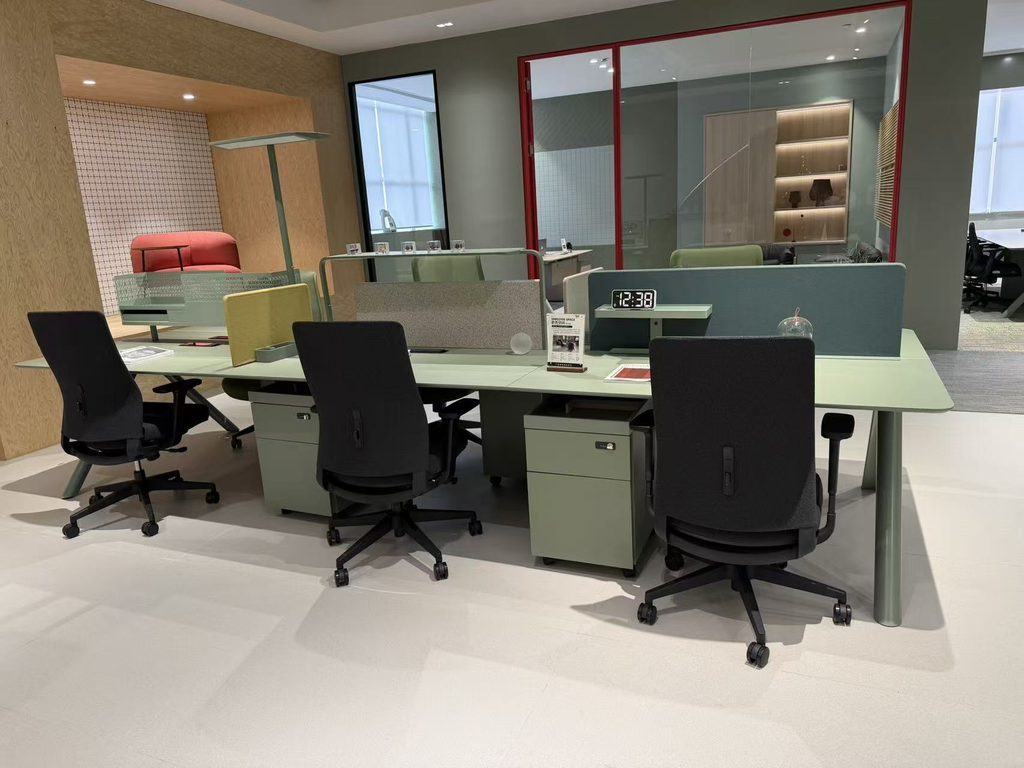
Coordinate desk formats, footprint and cable access for the workspace.
View Catalog Availability
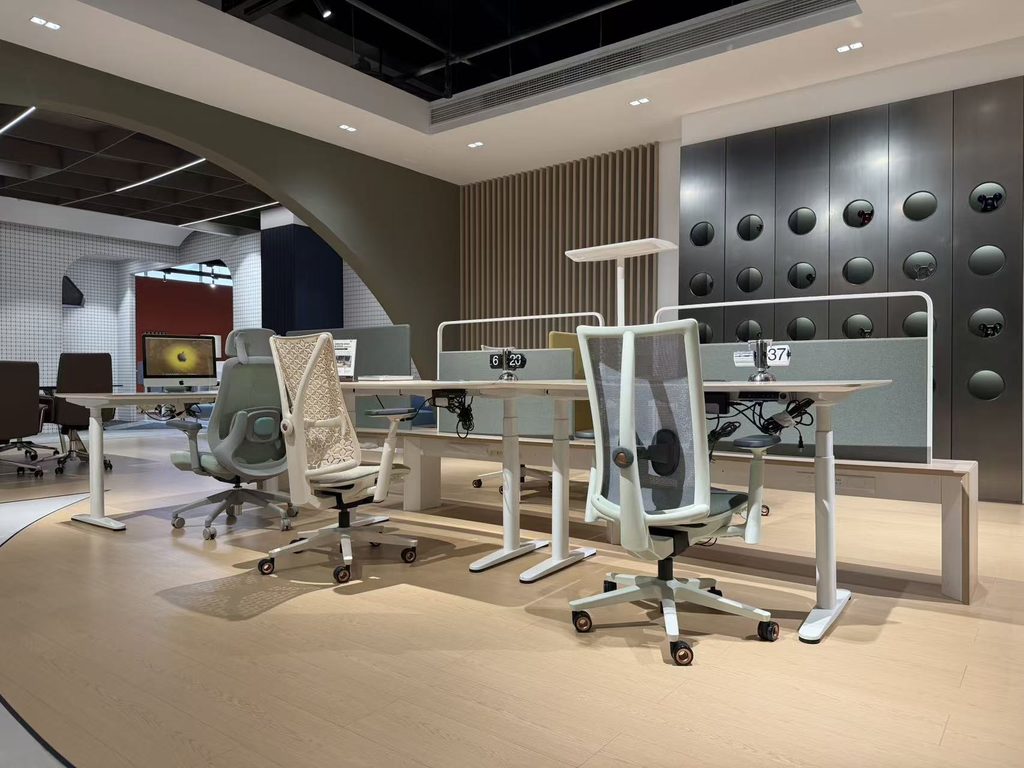
Define seating, adjustments and upholstery for the intended use.
View Catalog Availability
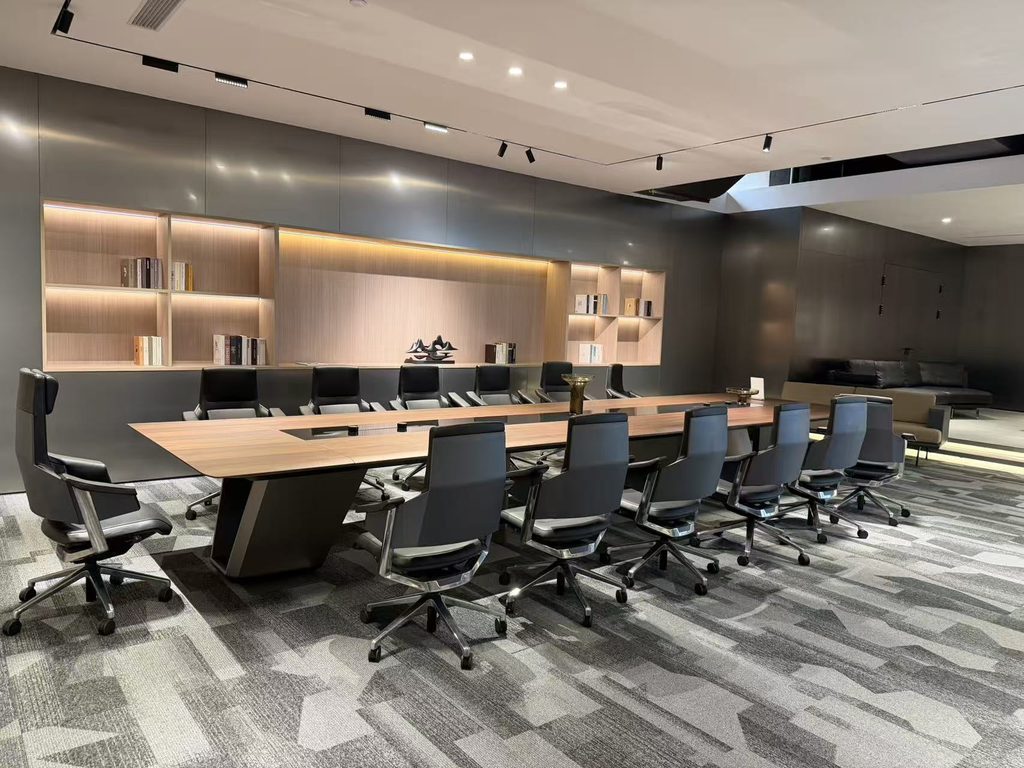
Match table size, seating and power access to your meeting room.
View Catalog Availability
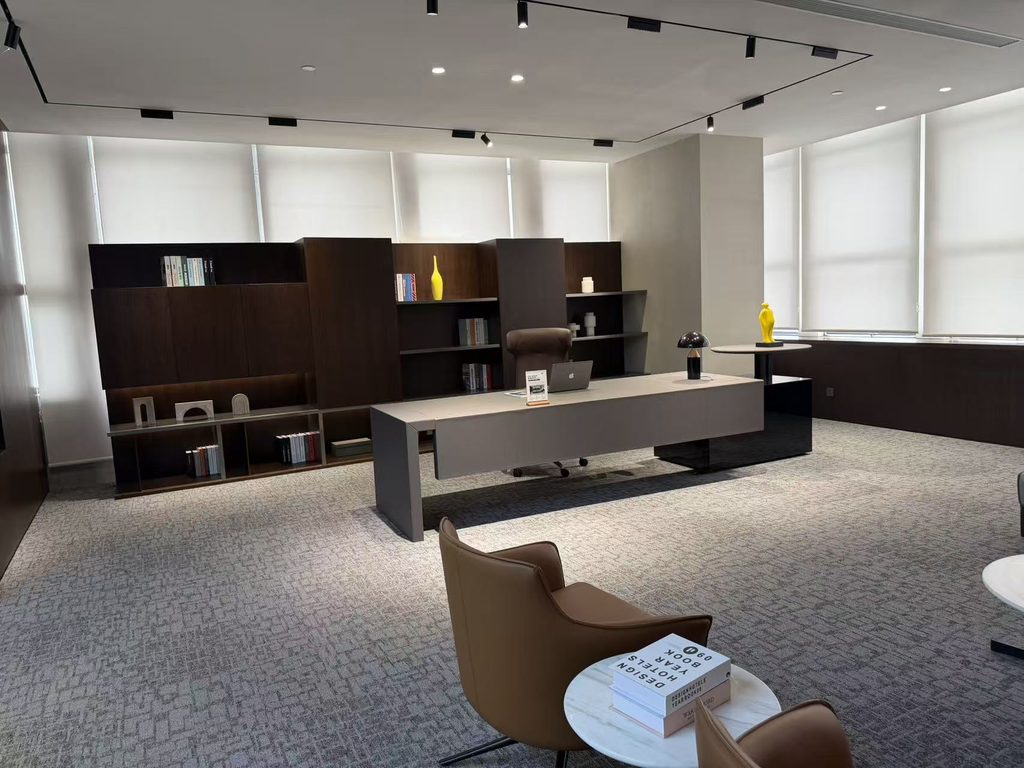
Plan storage capacity, locks and installation requirements.
View Catalog Availability
Coordinate reception and lounge furniture with space and finishes.
View Catalog AvailabilityWhen product listings are available, open a model to review its specifications, options and product information. Confirm the selected configuration, quantity and destination before requesting a quotation.
No approved products are available in this preview yet. Product specifications and images will appear here after review.
Individual model specifications and images are not currently listed. You can still organize your requirements by furniture type, dimensions, quantities and destination using the guidance below.
Plan Specifications & Options
Confirm assembled size, units and workspace fit.
Identify boards, metals, upholstery and hardware.
Separate the base build from requested changes.
Align color, finish samples and configuration options.
SIZE & USE Dimensions & Layout Specify assembled dimensions and units. Include workspace size, seating capacity, circulation and cable access. MATERIAL & BUILD Materials, Structure & Finishes Identify board, metal, upholstery, frame and hardware requirements. Confirm finish samples and configuration differences. RANGE & OPTIONS Standard or Customized Separate the base configuration from requested changes in size, color, materials or branding. Availability and MOQ depend on the model and order.
Confirm packing format and installation resources.
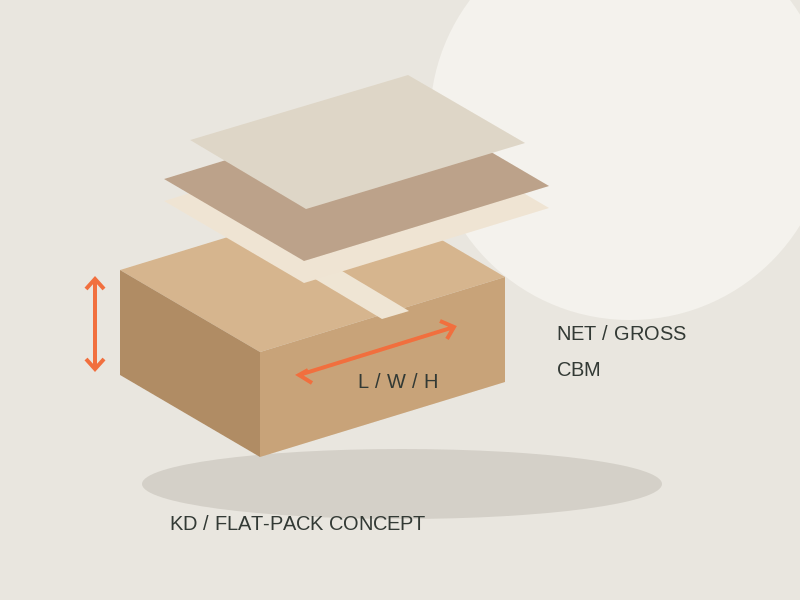
Review outer dimensions and cartons per sales unit.
Separate product weight from packed shipment weight.
Use packing volume as a planning input, not a freight quote.
PACKING FORMAT KD or Assembled Confirm whether knock-down, flat-pack or assembled packing suits the model, storage plan and installation resources. PER SALES UNIT Cartons, Weight & CBM Review cartons per complete sales unit, outer carton dimensions and total net/gross weight. CBM describes packing volume; it does not establish freight or container loading quantity. DESTINATION Transport & Site Conditions Provide destination country, delivery location and timing. Clarify shipping terms, unloading, phased deliveries, assembly and missing-part responsibilities. Product dimensions and packing dimensions are different. Confirm units, carton breakdown and the complete sales unit before comparing logistics requirements. Packing data and delivery conditions must be confirmed for the selected configuration.
Define range, market, quantities and brand needs.
Confirm configuration, feasibility and responsibilities.
Agree sample scope, costs and trial-assembly checks.
Sign off the specification version before production.
01 / DEFINE Range & Brand Requirements List target products, initial and repeat-order quantities, destination market and requested branding or packaging changes. 02 / REVIEW Engineering & Sample Scope Identify changes to dimensions, materials, structure or finishes. Confirm feasibility, responsibilities and sample or tooling costs. 03 / CONFIRM Sample & Order Sign-off Agree sample, trial-assembly and product-information checks before sign-off. Confirm the specification version and production requirements. These are planning checkpoints, not a promise of customization availability, fixed MOQ or sample lead time. Scope and commercial conditions require confirmation.
Match model, configuration, units and document version.
Check product coverage, issuer, date and standard version.
Confirm materials, applicability and permission to share.
Review hardware, care, warranty and spare-parts documents.
No product reports or certifications are presented here. Verify documents against the selected model, configuration and destination market. Do not extend a report beyond its tested scope; record the evidence and service documents required in your purchasing brief.
Choose your purchasing path. Open a short checklist for bulk supply, project furniture or private label development.
Product categories or model references; quantities and units; required sizes, finishes and options; destination country; sample needs; timing; packing and mixed-order requirements.
Workspace types and dimensions; furniture schedule or BOM summary; quantities; materials and finishes; project location; delivery phases; site access and installation responsibilities.
Target product range; customization depth; branding and packing; initial and repeat quantities; material or market requirements; sample expectations and sign-off responsibilities.
Online quotation and sample requests are not available on this site yet. These checklists help you prepare requirements; they do not submit or save an inquiry. Final pricing, MOQ, lead times, warranty and spare-parts terms require confirmation.